
What Rewilding Gets Wrong
A Tennessee Garden Designer's Case for Designing Forward, Not Back
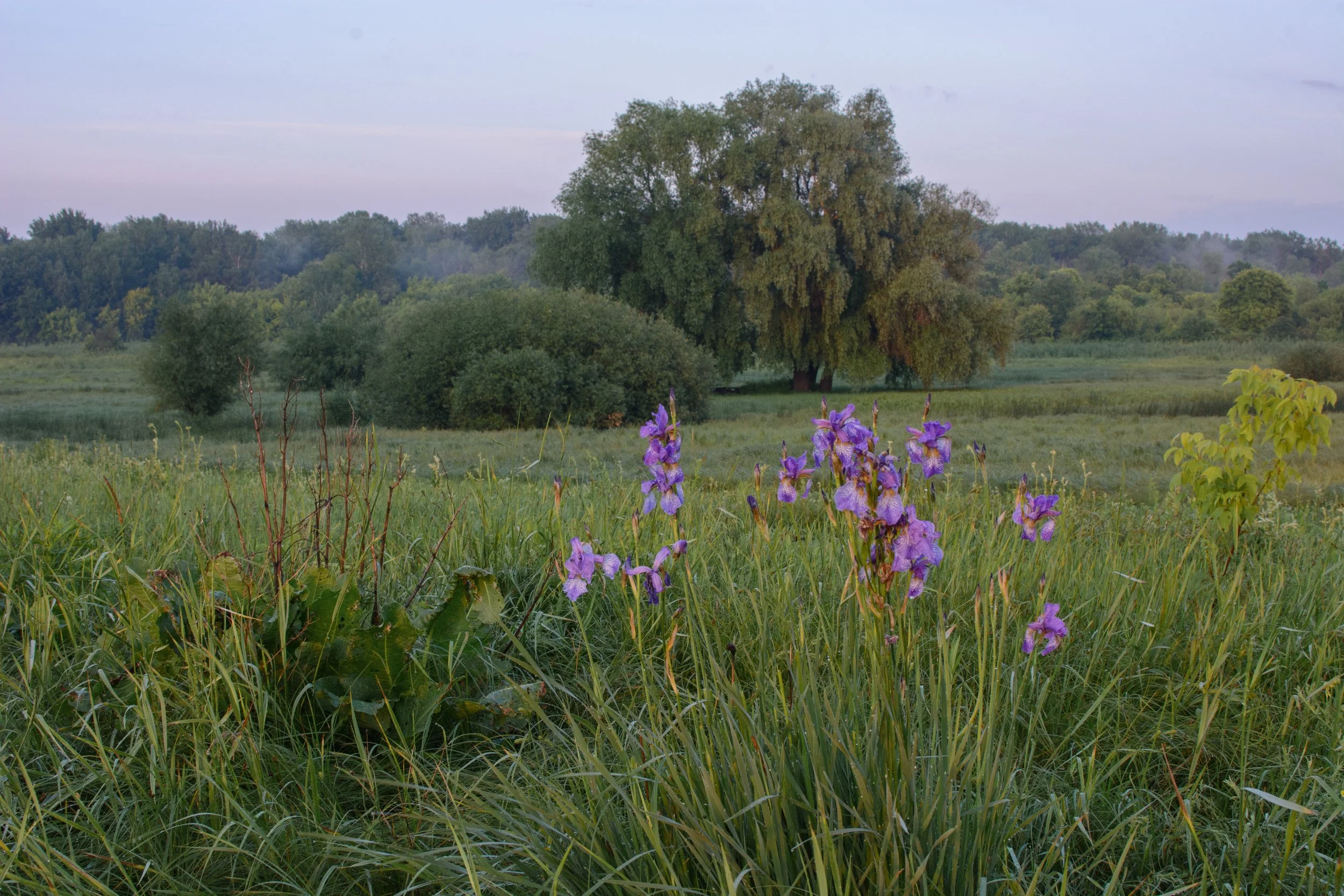
There is a question I have started asking every client who arrives at our first meeting with the word rewilding already in their mouths, already certain it is what they want.
Which former glory?
They pause. They look at me the way people look when something obvious has suddenly become complicated. And then I ask it more specifically: Do you mean the land as it existed before your house was built? Before the subdivision? Before the farm that preceded it? Before European settlement? Before the Cherokee? Before the hardwood forest that covered this basin ten thousand years ago, or the glacial landscape that preceded the forest, or the sea that preceded that?
Because the land you are standing on has been everything. And rewilding, as the design industry is currently selling it, asks you to return it to something, without ever specifying what that something is, or whether it ever existed in the form you are imagining, or whether the land itself has any memory of it at all.
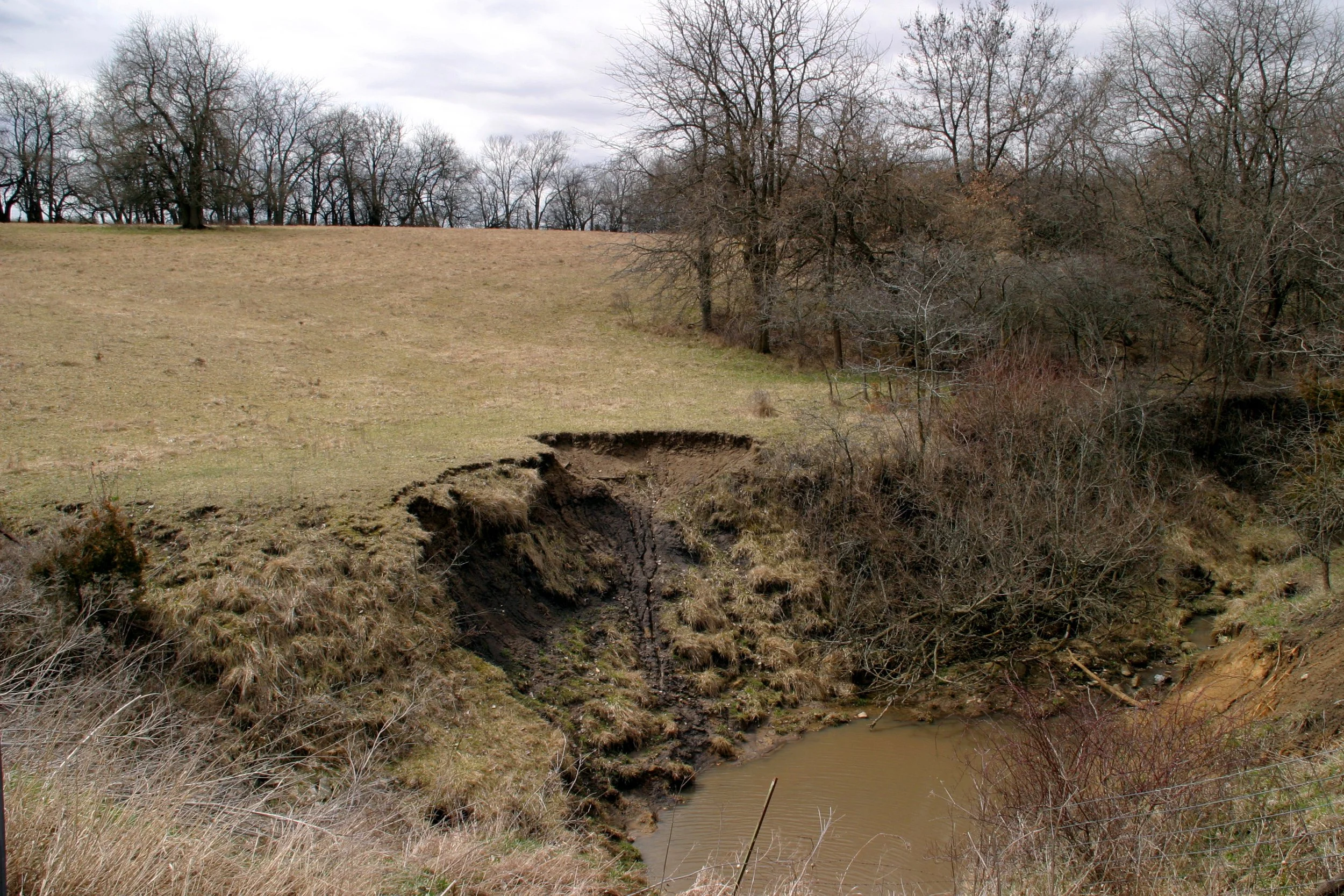
Tens of thousands of dollars of "restoration." The creek has thoughts.
I once visited a property where the clients had spent tens of thousands of dollars having their creek cleared and cleaned, the banks stripped bare and reseeded with fescue. They wanted it to look managed. Tended. Intentional. What they got instead was a lesson the land had been trying to teach them from the beginning.
Within three months the banks were deteriorating. The fescue wouldn't hold. They reseeded. It failed again. They reseeded again. Each time the creek shrugged off the grass like a horse shrugging off a fly, and each time the clients responded by arguing with it more loudly, with more seed, more money, more insistence that the land become what they had decided it should be.
What had been on those banks before the clearing? Goldenrod. Native bluestems. Plants that had spent centuries learning exactly how to hold that particular soil at that particular angle above that particular water. The land wasn't failing. The land was refusing. There is a difference, and it is the most important thing I know about working with a piece of ground.
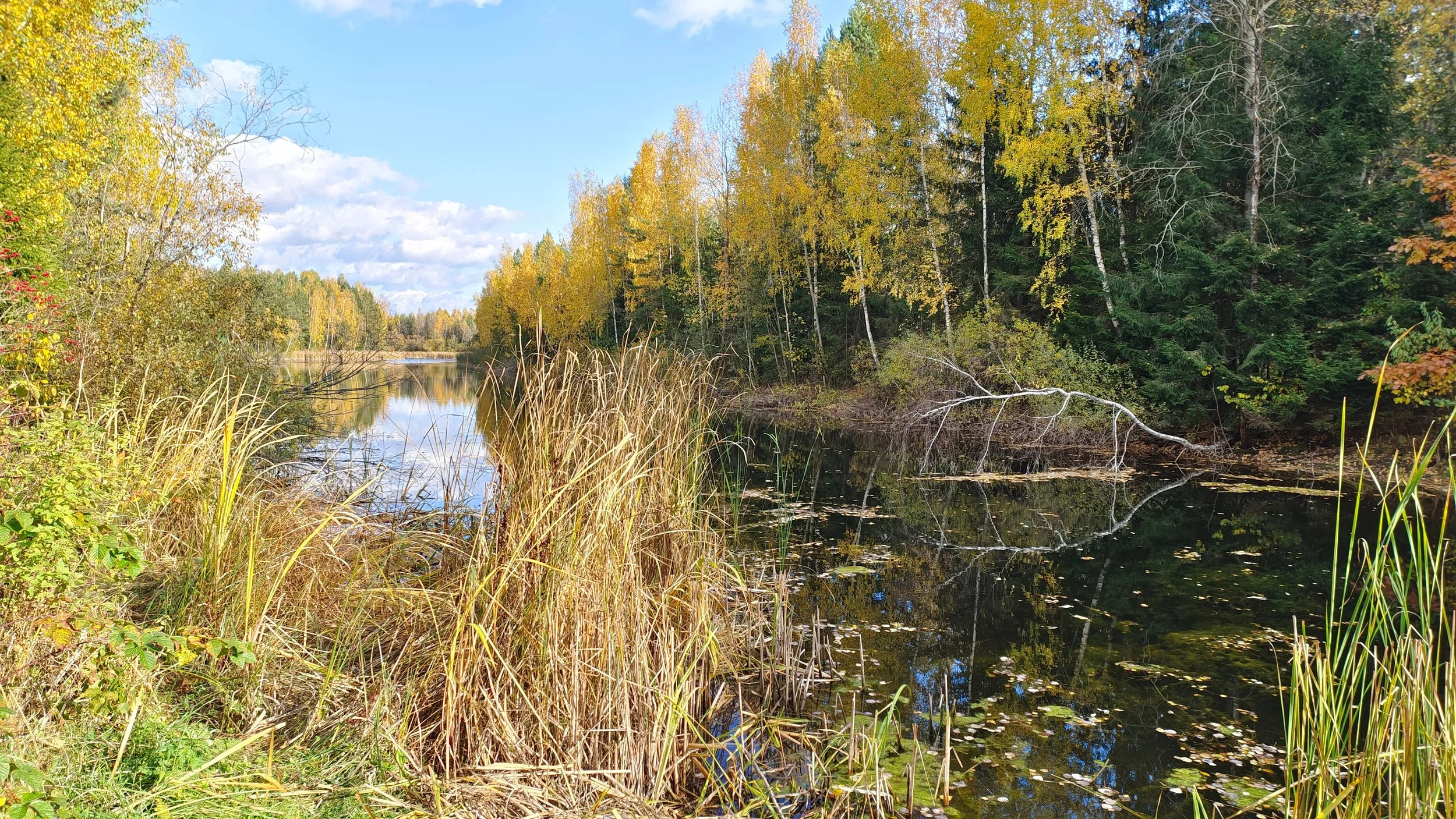
Nobody planted this. Nobody had to.
Rewilding arrived in luxury residential design the way most ideas arrive: laundered through aesthetics until the philosophy behind it became decorative. You can see it in every design publication right now: the soft grasses, the undulating meadow, the artful disorder. We let the land lead, the captions say. Beneath the photography, someone installed all of it in a weekend.
I understand the appeal. After decades of over-installed, over-controlled residential landscapes, the boxwood geometry, the mulched beds tidy as carpet, the lawn that requires a small petroleum budget to maintain, something in us is right to want the opposite. The rebellion makes sense. What doesn't make sense is calling it restoration.
Restoration implies an original state to return to. It implies the land was something pure before human intervention and can be made pure again. It is, at its core, a nostalgic proposition. And nostalgia has never been a reliable design philosophy, because the past it reaches for is always invented.
The land does not want its past self. The land wants to be in right relationship with its present conditions: its current hydrology, its current seed bank, its current climate, its current adjacencies. When I walk a property for the first time, I am not looking for evidence of what it used to be. I am looking for what it is already trying to become.
There is a practice I call Land Portraiture, which is simply the commitment to sustained observation before any design intervention. You learn a property across seasons before you touch it. You follow the water. You notice where the deer have already made their paths, where certain grasses have seeded themselves without permission, where the soil changes character at the edge of the shade. The land is already in motion. It already has preferences. Your job is not to restore it to something it remembers but to design it forward from what it actually is.
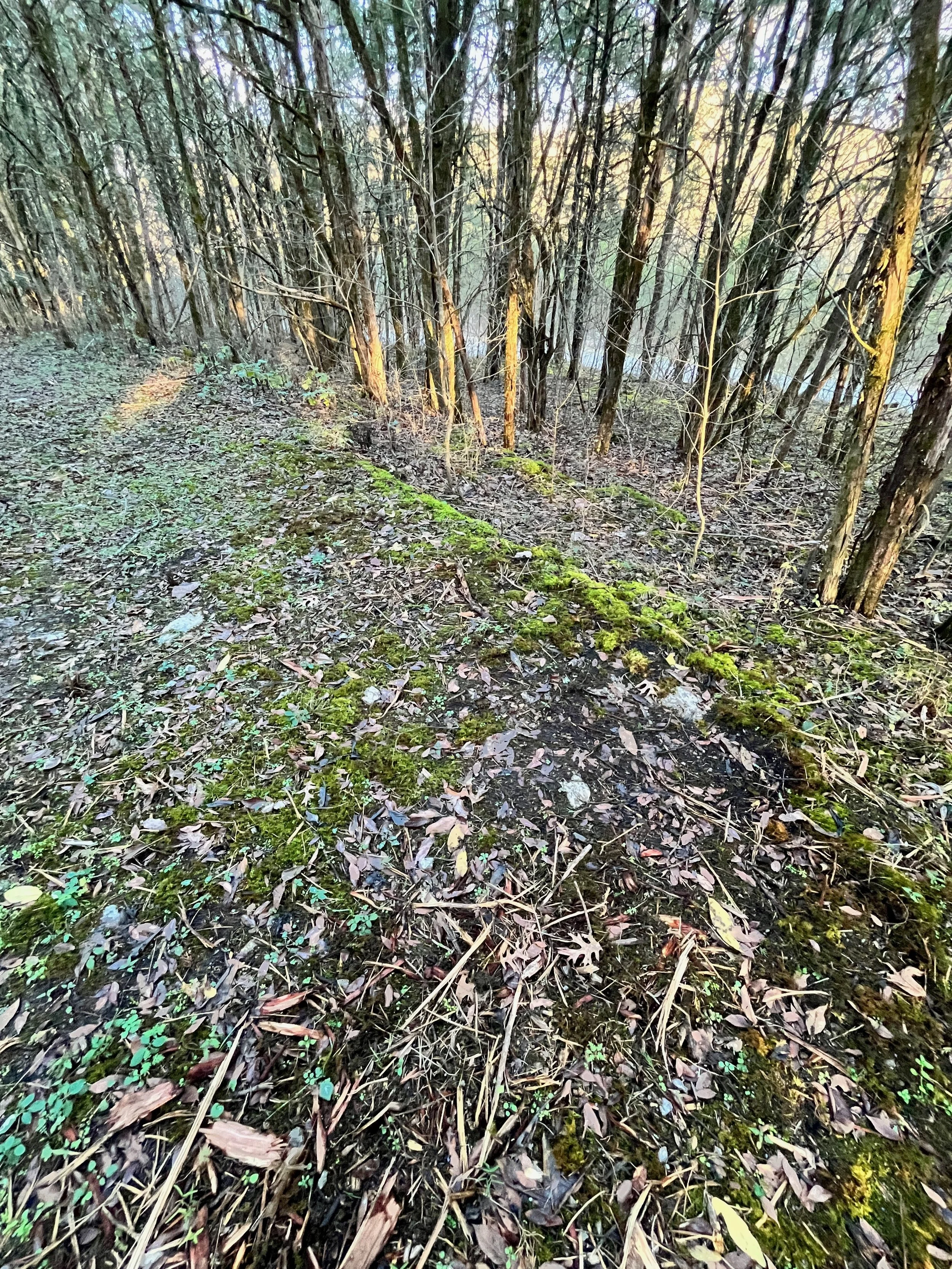
This is the first meeting. I haven't touched a thing yet.
This is harder than rewilding. It requires patience and humility and a willingness to be told no by a piece of ground. It produces landscapes that look like they belong, not because they've been returned to some prior state, but because every element is in genuine conversation with the specific conditions of that specific place.
And it does not photograph as easily. There is no before and after. There is only the slow accumulation of rightness, which reveals itself over years rather than immediately after installation.
But here is the part of this conversation that no one in the design industry is having yet, and the part that makes rewilding genuinely hard even when it is genuinely pursued:
It requires you to make peace with death.
Real rewilding, the kind that isn't an aesthetic, the kind that is an actual relationship with a piece of land, relies on death remaining visible. The dead perennial standing alone in January. The fallen leaves uncollected in the beds through December. The spent grass skeleton holding its shape in the frost. They are the mechanism of the ecosystem. They are where the overwintering insects live, where the birds feed, where next year's soil is being made.
Most clients do not know this when they say they want rewilding. They are imagining lush, naturalistic abundance: the high season version, always in bloom, always full. They have not yet considered that rewilding asks them to renegotiate their definition of clean. To find beauty in decomposition. To leave the evidence of dying as part of the design.
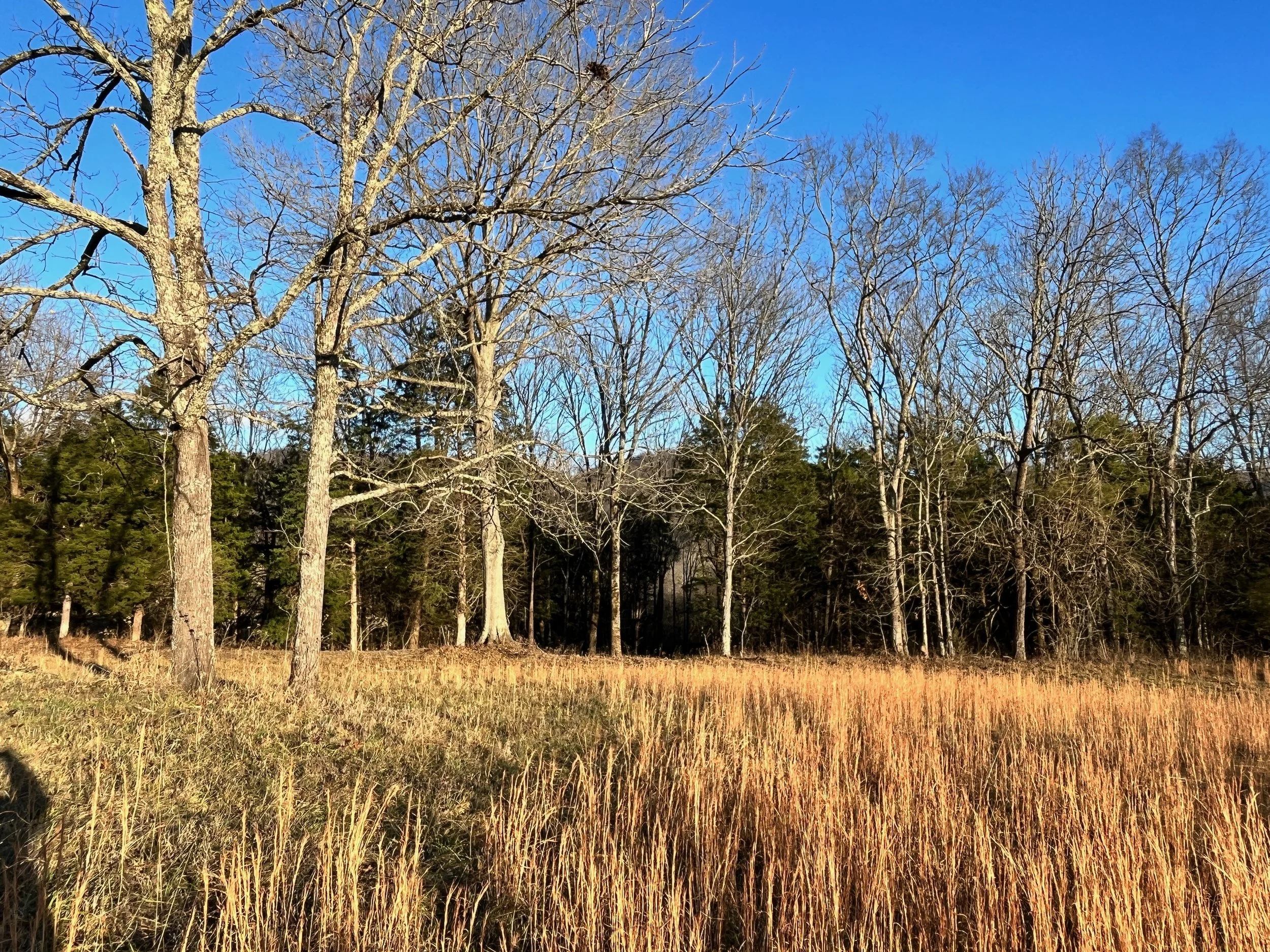
If you can't love it in January, you don't actually want a garden. You want a photo shoot.
This is a philosophical ask, not an aesthetic one. It is, in fact, the same ask that underlies Inhabitation Design: the willingness to design for how you actually live, not how you imagine you will live once everything looks perfect. And it is the question I believe every designer and every client should sit with before using the word rewilding in a design brief.
Which is not what did this land used to look like?
But what are you willing to let die, and leave?
The land does not need to be restored. It needs to be considered, designed for the best version of its current self, in honest relationship with its actual conditions, with a designer willing to follow its lead rather than impose a fantasy of its past. I don’t think that’s rewilding. That is something more difficult, and more true, and it does not yet have a name that has gone mainstream.
My client’s creek knew. It knew before the equipment arrived, before the first bag of fescue seed was opened, before anyone thought to ask what the goldenrod and the bluestems were doing there in the first place. It knew the whole time. It was just waiting for someone to listen.
Good design begins in the patience to hear what the land is already saying.
If you are working with acreage or a rural property in Middle Tennessee and want to start with observation rather than installation, this is the work I do.