
The Long Way Home
On art, dirt, and the longest possible route to the obvious answer.
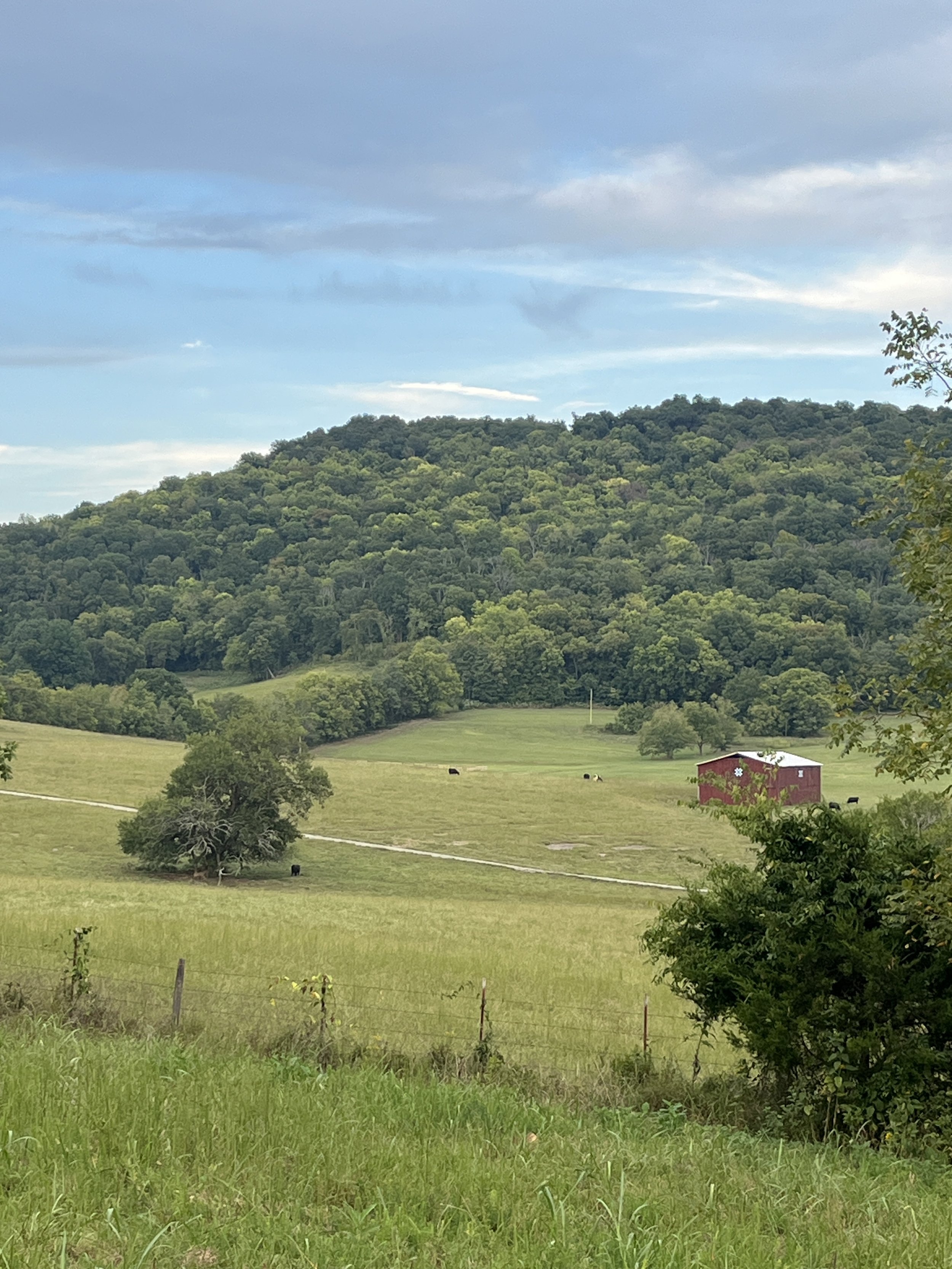
My mother is the reason I see the way I see. She taught me early that beauty is not optional, that it's a structural element of a life, as necessary as shelter. My grandfather Joe, a self-taught farmer whose family has worked Wilson County land since the late 1800s, is the reason I respect ground. Between the two of them I was built into someone who can't separate how a place looks from how it feels to stand inside it, and who believes that paying attention across a long stretch of time is its own form of devotion.
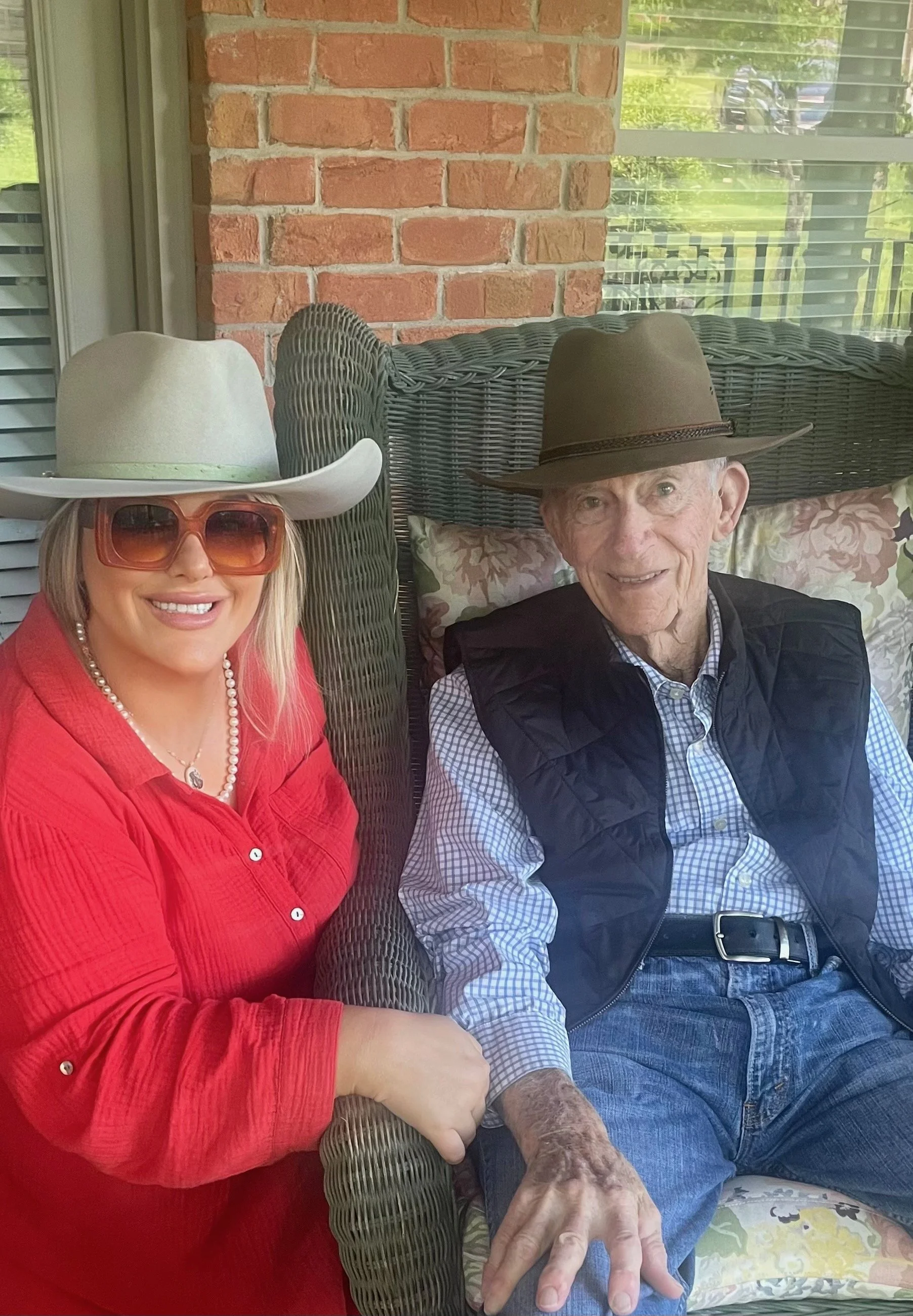
I have been an artist as long as I can remember. Drawing before writing. Building before planning. Always making things; physical things, things with weight and texture, things you could walk around or climb inside. It was never a career decision. It was more like a metabolic fact, the way some people are left-handed.
In 2014, two things happened. I applied and was accepted to an MFA program in fine art, and I went to Burning Man Arts Festival for the first time.
Burning Man I went to as an artist. I built there; large-scale installations in the Nevada desert, in heat that warps your materials and dust storms that bury your plans and a timeline that forgives nothing because the entire city vanishes in a week. The desert has a way of telling you, very quickly and without diplomacy, whether your ideas are any good. If the structure holds in the wind, it was true. If it doesn't, it wasn't, and no amount of conceptual justification will prop it back up. The Black Rock desert has a special way of proving that honesty is more valuable than diplomacy.
But what lodged deepest from that first burn wasn't about the art. It was about the sixty thousand people around me who were, for one week, completely outside. No screens. Dancing bodies in space, covered in dust, blistered and freezing by turns, and more awake than most of them had been in years. I recognized something in that wakefulness; something I wanted to understand well enough to build.

The MFA gave me the framework. I spent two years constructing paintings, sculptures, and immersive environments; spaces people entered physically and stayed in, where light and material and scale and acoustics worked on the body in ways a screen can't touch. I was learning to design for something I didn't yet have a name for, though if you'd watched me work you'd have seen it clearly enough: every installation I built was an attempt to recreate that desert feeling indoors. Full-body attention. The sensation of being, for a few minutes, entirely where you are. In the middle of a painting. On top of a sculpture. In the thick of a concept you've never visually explored before.
I graduated in 2017 with a portfolio I believed in and the certainty that I would spend my life making physical pieces and spaces that hold people.
Limbic Trojan, Acrylic, dental x-ray film on birch panel
In 2018, I took a job at a software company. My title was Happiness Manager.
I'm going to let that sit for a moment, because the absurdity of it deserves the space. An artist, trained, practiced, fresh out of building immersive art in the desert, took a salaried position at a tech company whose world was screens and data, and her job, her actual job title, was to manage the happiness of the people who built it.
I was the most depressed person in the entire building.
Not because anyone was cruel. Not because the work was grueling. Because I already knew what a real life felt like: presence, absorption, the animal pleasure of being fully in your body in a physical space. All of these thoughts while I sat typing and forgetting what my hands were for. The gap between what I knew to be true and what I was doing every day was a kind of slow suffocation, and eventually my body made the decision my mind kept deferring.
I quit.
I focused on healing. Not with a plan. With the dirt.
Nashville sits on a limestone shelf, and its soil is an alkaline clay so dense and opinionated that half the landscaping advice written for other parts of the country is useless here. It holds water like a bowl, cracks when it dries, refuses to drain on anyone's schedule, and will kill plants that thrive two states over without a flicker of remorse. It doesn't care what the plant tag says. It knows what it wants and it is not asking. But if you learn what it actually wants, not what you wish it wanted, it will grow things of jaw-dropping beauty, plants that evolved for exactly this ground and bloom like they've been waiting for someone to stop fighting the chemistry and just let them work.
I started designing gardens, and within the first season I understood that I had found the medium I'd been circling my whole life.
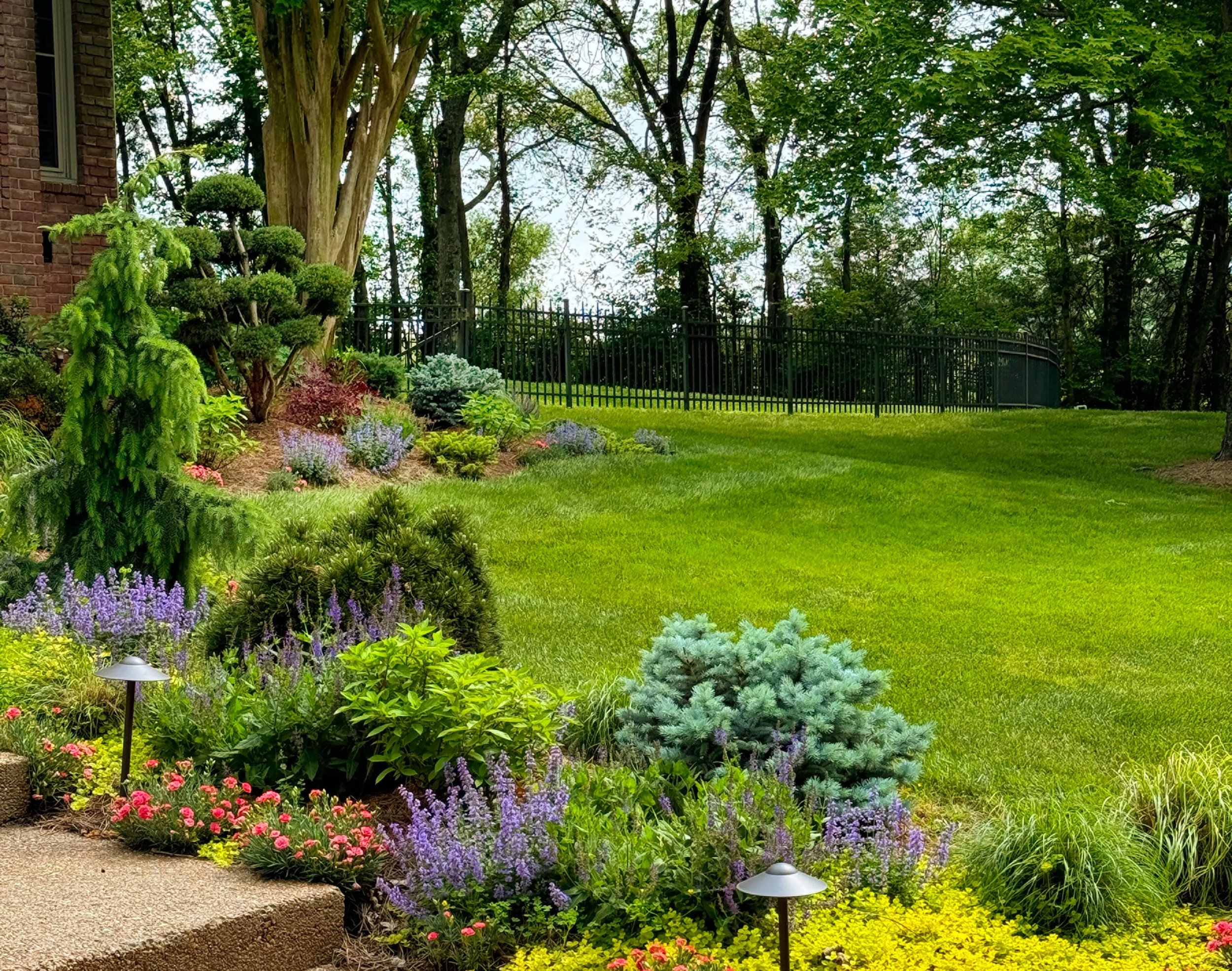
Every material I'd ever worked in had been a monologue. I designed, the material obeyed. Clay and weather and root systems don't obey. A garden has opinions. It sends up volunteers where you didn't plant them and refuses to thrive where you did. It dies back in winter so completely you question your own memory, then returns in April with something you forgot you planted, blooming in a color you didn't expect, and the surprise of it is the most honest creative collaboration you'll ever experience; half your intention, half the plant's own intelligence, held together by a piece of ground that was here long before you and will be here long after.
For the first time, I was working with a medium that was alive. That breathed. That changed while I was sleeping and kept making itself after I walked away. A sculpture holds still. A garden is always becoming something, and the designer's job is not to control that becoming but to set the conditions under which it can happen beautifully.
It was everything. The compositional eye from my mother and my MFA. The patience and grounding knowledge from my grandfather. The resourcefulness and pressure-tested honesty from the desert. And something new: the willingness to collaborate with a living system instead of imposing my will on an inert one. Everything I'd trained for and everything I'd inherited and everything I'd learned the hard way caged in an office converged in a single practice, in the clay, in Nashville, and I knew I was home.
I think about the tech industry more often than you might expect. Not with any sort of anger, but with a kind of retrospective clarity. Because, at its core, what the tech industry is spending billions of dollars trying to engineer through cushy roles, software, and apps is the feeling a garden gives you on an ordinary Tuesday evening when you walk outside to check on one plant and twenty minutes evaporate and your breathing has changed and you can't remember when you stopped thinking about your inbox, but there's a flower blooming that would make a great gift for your neighbor so you get your shears.
That's the product. That's what every app is reaching for: absorption, attention, connection, the feeling of being held by something. But the version they build requires you to sit still and stare at glass, and the version that grows in the ground requires you to be outside, in the weather, in your body, in contact with something that is actually alive. One is a simulation of presence. The other is presence.
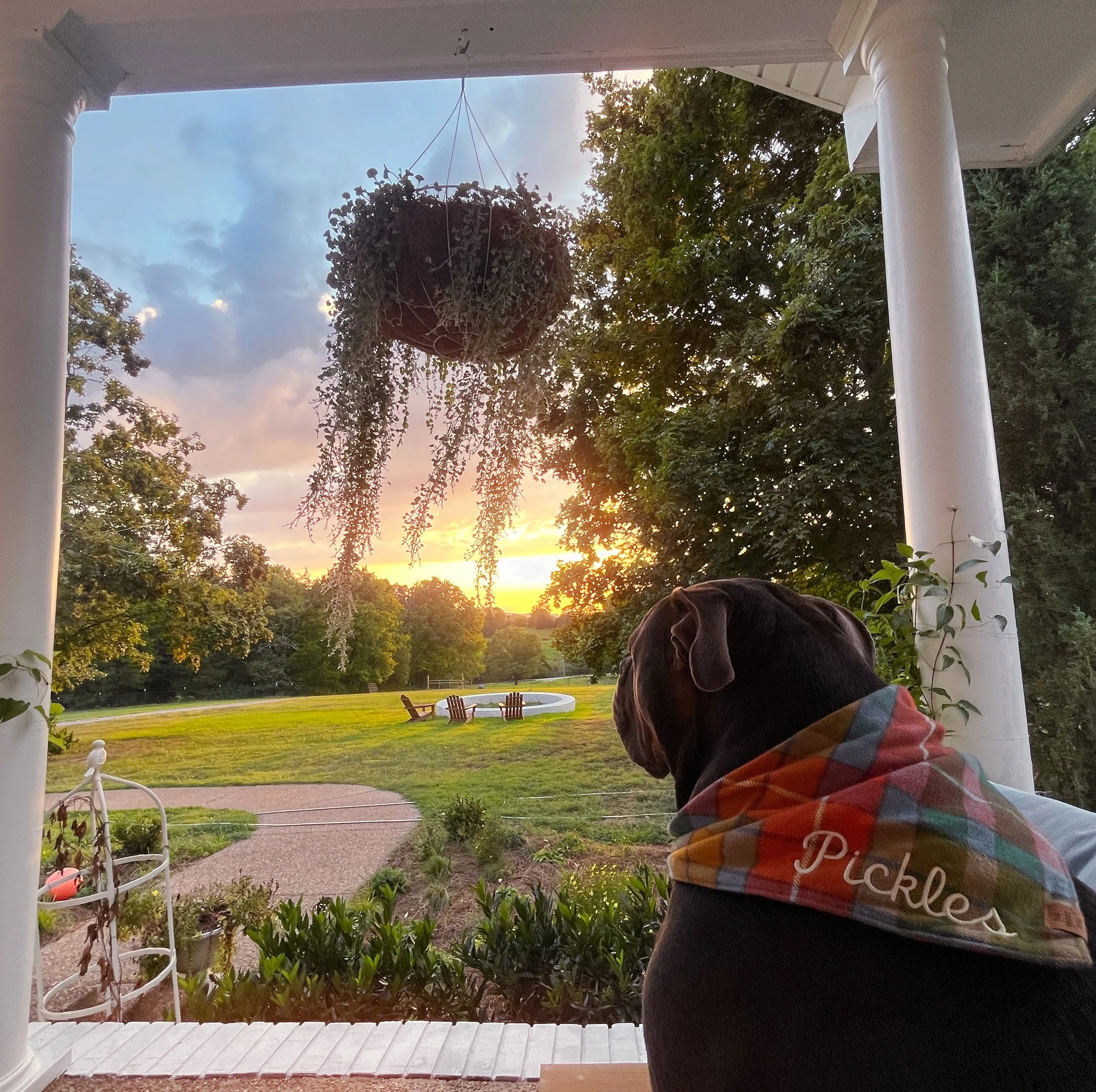
I live on a farm just outside of Nashville, Tennessee now, with my dog Pickles, my dog Winnie, and my cat Maxine. The farm is where I test everything. The largest studio an artist could ever dream of. Nobody here is churning butter or filming a homestead tour. It's a working studio. I just happen to test my materials in the ground instead of on a canvas.
I have more experiments running than finished spaces; color palettes tracked across three seasons, a gate system I built twice because the first version wasn't right, areas set aside for natural swimming pond concepts that may take years to realize. By the time a plant or a design idea shows up in your garden, I've already watched it through summer drought and winter ice and the weird warm spell in February that tricks everything into budding too early. Nothing in your design is a guess. Everything has been tested by this ground.
I still attend Burning Man each year. My experience with the desert has reinforced my realization from 2014 that the most authentic work comes from constraints, that cleverness (and technology) fails when the real world is encountered, and that only honesty will withstand contact with the physical world. Nashville clay tests me as the Nevada winds did, but much more slowly and with more sweat.
Everyone that calls me is usually right where I was in 2014. Either they have identified the same transition I have by name, or they don’t know yet. They are generally in the middle of the same screen-based, climate-controlled, optimized existence. There’s an element that's pushing them to leave. They believe they want a nicer property. What they actually want is to experience something their home cannot provide; something with weather, something that smells like dirt after rain, something that feels alive that doesn’t require a damn password.
I can’t manufacture that. A billion dollar company attempted and failed. But I can create it. One garden at a time. In the real clay. In the actual weather. For a particular individual. On a particular plot of land. And I can do this. Slowly. Just as all honest work grows.
The name, since people ask.
My first clients were Gerry and his wife Lisa. Gerry had tended his garden for decades, a man who understood the long conversation between a person and a piece of earth. He had hydrocephalus and had been severely affected by strokes, and my name was one of the things that didn't always stay. But he knew me every time. The moment he saw me in his garden he'd break into a grin and say it like a greeting, like a fact about the world:
The Grass Girl.
A man who couldn't remember what I was called but never forgot what I was doing. The name will never change.
So that's the long way home. Always an artist. The desert, then the degree, then the worst detour of my life in an office with "Happiness Manager" in my email signature, and then, finally, permanently, the ground. Tennessee ground. My grandfather's kind of ground. The kind you learn only by paying attention over years, the kind that won't let you fake it, the kind that teaches you, if you're willing to listen, that the most extraordinary things grow from the most ordinary patience.
I design gardens people don't want to leave. Seven words. Took me a long time to earn them.